Alameda, CA · K-12 Curriculum Design + Education
I design learning experiences that are rigorous, joyful, and built with real students and teachers in mind.
About Me
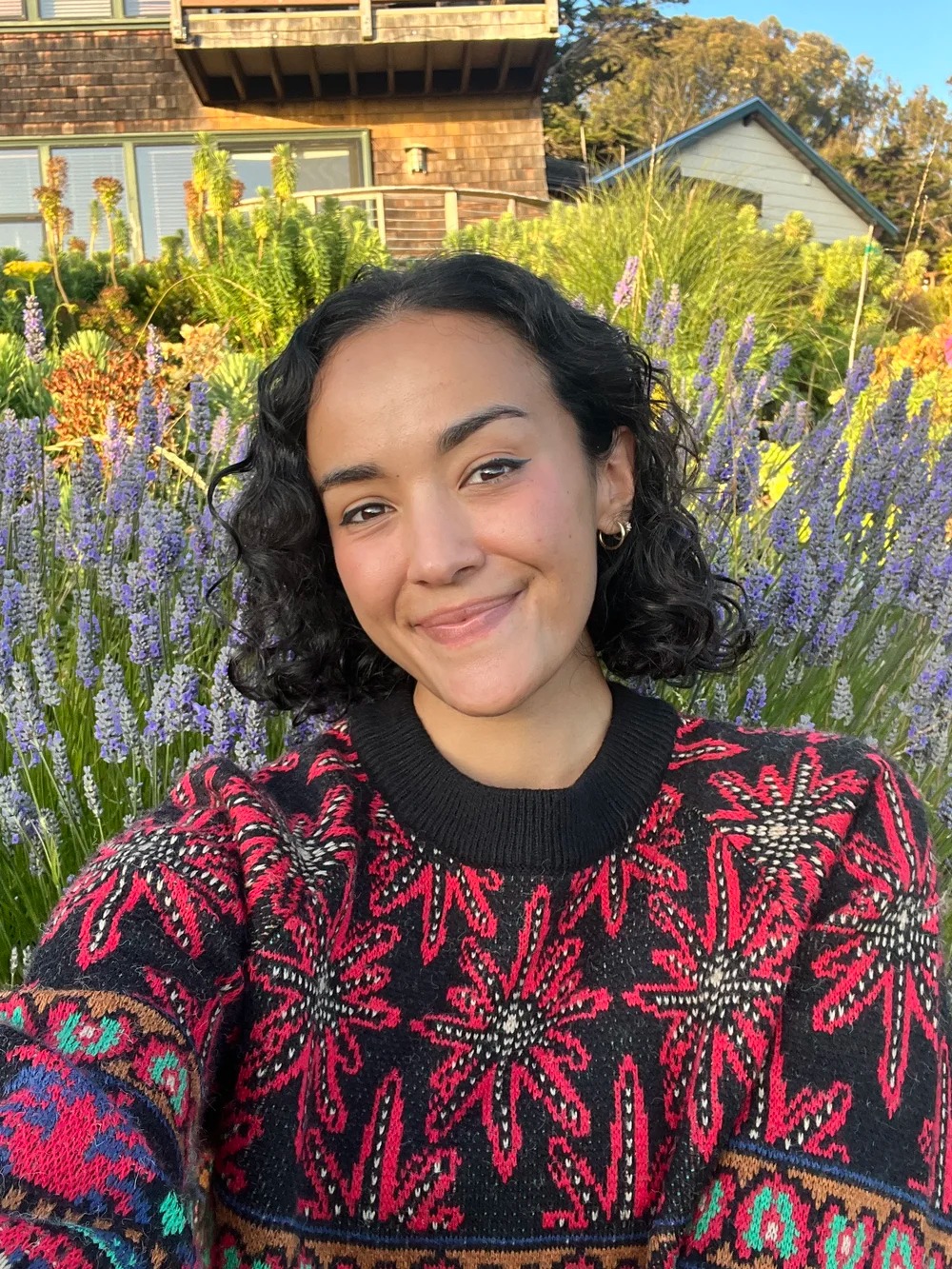
I'm a K-12 curriculum developer with a focus on impactful, equitable design. I'm driven by the belief that all kids deserve learning experiences that are rigorous, joyful, and designed with them in mind — and that teachers deserve high-quality resources to make this possible.
While studying Graphic Communication at Cal Poly, San Luis Obispo, I fell in love with digital design and visual storytelling. But I kept coming back to the same realization: the users I most wanted to design for were learners. That insight led me to earn my Master's in Education at UC Davis, combining design with K-12 pedagogy.
As a 6th grade teacher at a Title I school, I designed curriculum that transformed student engagement through inquiry-based, collaborative approaches. I've since brought lessons to my Teachers Pay Teachers store. Now, at Galileo Learning, I design STEAM curriculum and professional development programs for 60+ summer camps nationwide.
I'm passionate about helping young people think critically and see themselves as lifelong learners and changemakers. My design approach is multi-modal and graphics-driven — combining gamification and formative assessments with collaborative, in-person experiences.
Selected Work
K-12 Curriculum · STEAM
Instructor-facing digital curriculum
Coming Soon
K-12 Curriculum · Gamification
Immersive 3-day social studies experience
K-12 Curriculum · Low-prep Math
Vertical non-permanent surface math resources
I am seeking opportunities to support teachers and educational organizations in the creation of equitable, inquiry-based learning experiences. Reach out if you're interested in working together on your next K-12 curriculum project!
K-12 Curriculum
I design curriculum for two audiences: learners and instructors.
For learners, I create engaging, standards-aligned experiences that prioritize inquiry-based collaboration. I test every project with real K-12 students and refine based on what actually engages them — incorporating gamification and hands-on exploration to make learning memorable.
For instructors, I build low-prep, user-friendly resources designed by someone who's been in their shoes. As a former teacher and current curriculum developer coaching first-time camp staff, I know what educators need: clear guidance, minimal prep, and materials that work when you're in front of a class.
K-12 Curriculum Design · Gamification
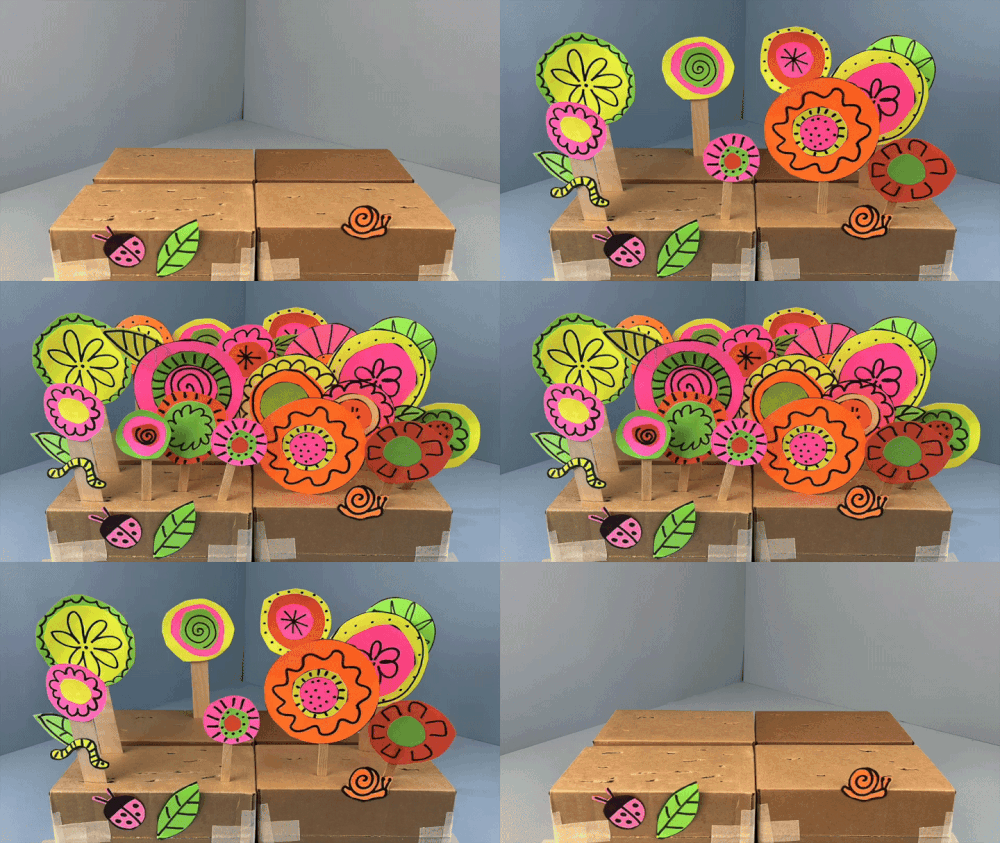
As a curriculum developer for the nationwide summer camp company Galileo Learning, I developed 40+ hands-on building challenges for K-5 learners, designed to scale across 60+ camp locations with diverse instructors and students.
Coming Soon
6th Grade · Immersive Learning · Social Studies
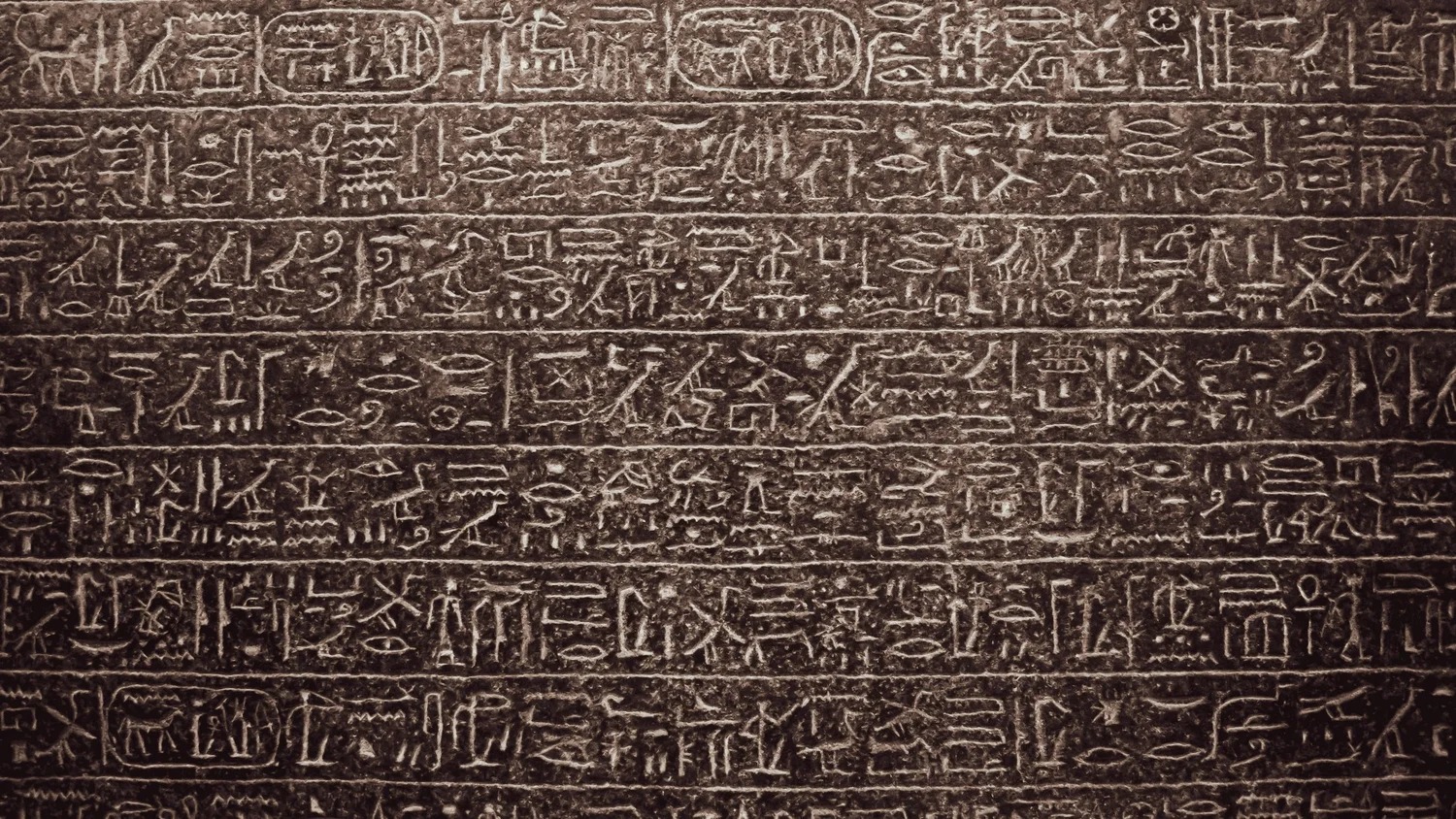
Social studies doesn't have to mean worksheets and lecture notes. To bring 6th grade Ancient Egypt standards to life, I designed The Afterlife Simulation: a 3-day immersive experience where students create characters, navigate the Egyptian underworld, and make choices that determine their fate in the afterlife.
View Case Study →
6th Grade Math · Low-prep · Classroom Resource
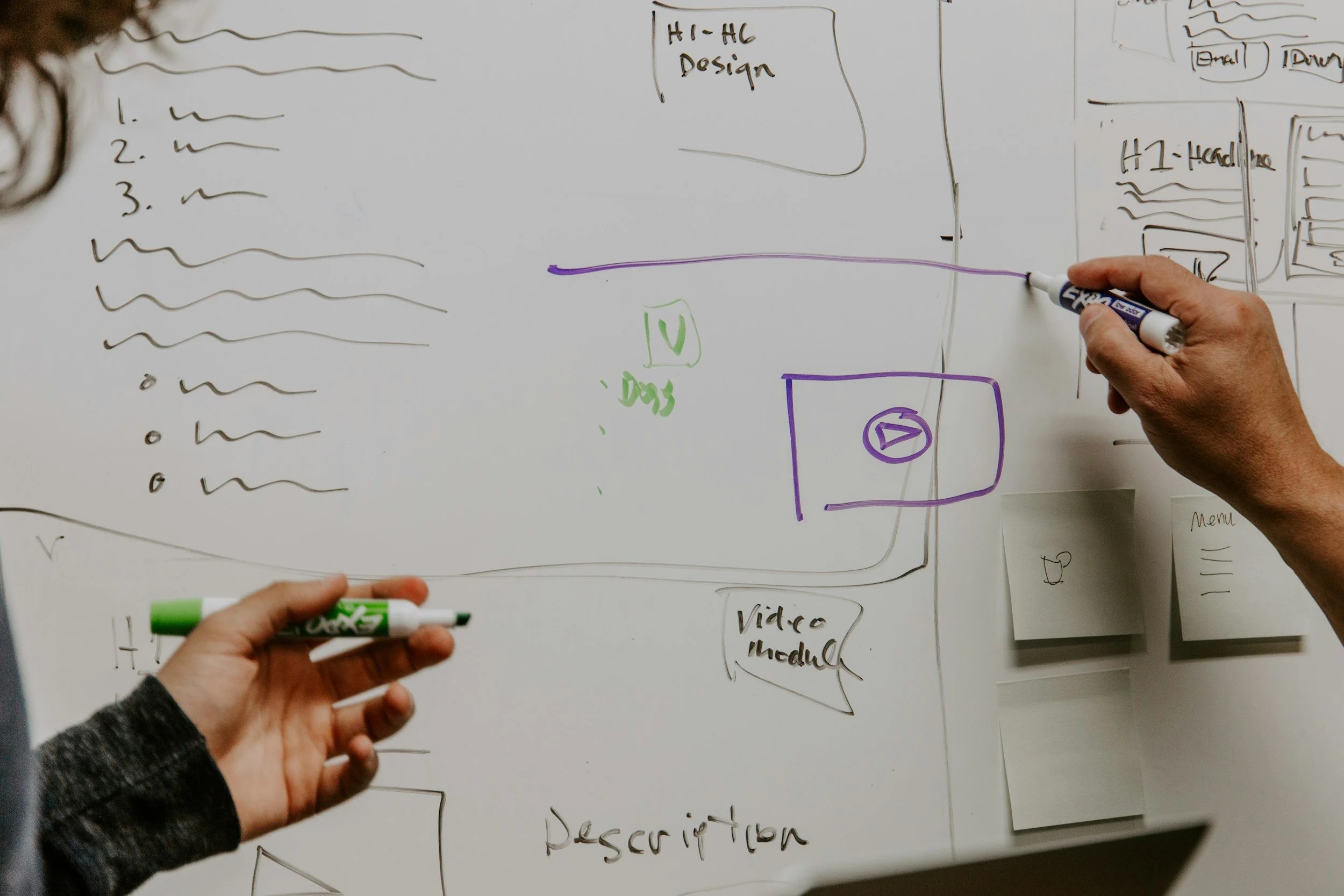
Vertical whiteboards in mathematics transformed my 6th grade classroom. I created this task cards resource as an educational tool for classroom teachers, as well as a task card activity to be used alongside an inquiry-based mathematics curriculum.
View Case Study →Educator Training
I design adult learning experiences that help teachers bring curriculum to life in their own classrooms. My instructional approach is visual, interactive, and grounded in what busy educators really need: helpful implementation resources and ongoing support.
I design training materials that respect educators' professional expertise while coaching them on practical approaches and impactful tools they can use right away.
E-Learning · Adult Learning · Instructional Design
A micro e-learning cybersecurity course designed for a conceptual insurance client with 2,000+ employees, built in Articulate Rise with interactive elements and a completion assessment.
View Case Study →
Professional Development · Leadership
At Galileo Learning, I had the opportunity to design and lead a scenario-based engagement activity for leadership at the HQ level. This professional development session focused on improving instructional outcomes at camp prior to the start of the summer.
Coming Soon
At Galileo Learning, a nationwide summer camp company, I followed the ADDIE framework to develop 40+ hands-on STEAM building challenges in an instructor-facing digital format.
After analyzing feedback from summer implementation — classroom observations, instructor surveys, and engagement data — my team identified several key needs. Instructors needed clear, visual and written guidance to facilitate hands-on projects with minimal prep. Materials had to be low-cost and widely accessible while still promoting creativity and engineering thinking. Projects needed to engage kids with diverse learning styles, identities, and interests.
Over two years, I designed 50+ engineering and design challenges for three camp age groups (K-1 "Nebulas", 2nd-3rd grade "Stars", and 4th-5th grade "Supernovas"), for two class types: "Innovator's Studio" and "Idea Lab." I updated our pre-outline template to include the biggest picture questions and lesson guidelines, allowing me to self-assess whether a project idea would be viable before presenting to the team.
Once pre-outlined, each project moved into the testing phase — taught in a real classroom setting with real kids. These "user testing" experiences allowed us to collect real-time data on age-appropriateness, engagement, success rate, time constraints, and materials usage. I developed a note-taking template to organize insights so we could continue testing without losing important findings.
Once validated through testing, I developed instructor-facing slideshow presentations in Google Slides with visual content including photos and GIFs. Each slideshow was designed for tablet viewing with visual hierarchy prioritizing instructor actions and student goals, consistent branding aligned with Galileo's vibrant, playful identity.
These lessons were implemented across 60+ summer camp locations nationwide, reaching thousands of K-5 learners. I supported rollout by facilitating instructor training sessions, conducting in-person classroom observations, and providing real-time coaching. Evaluation data directly informed the next design cycle.
Interested in working together?
Get In Touch →
My idea for this resource was sparked by a group of 6th graders who played Dungeons and Dragons in my classroom after school, fully immersed in the mathematics and creativity of the game. Character creation and logic led the way for these students, so I decided to create my own Egyptian Afterlife game.
Within this gamified experience, students engage with multiple California History and Social Science Content standards, focusing on the social structure, politics, and religion of Ancient Egypt. The simulation runs over 3 days: students create characters, navigate the Egyptian underworld, and make choices that determine their fate in the afterlife.
"Wonderful resource! Engaging and just what I was looking for!"— TPT Customer and Teacher
"This was SO MUCH FUN! My students absolutely loved it. They've already asked if we can do activities like this for our next unit. This is really well done!"— TPT Customer and Teacher
Interested in working together?
Get In Touch →
During my time as a 6th grade mathematics teacher, I focused on improving engagement and rigor through task-based, group activities at whiteboards mounted vertically on classroom walls. My students worked collaboratively to solve increasingly complex tasks, engaging in deeper-level thinking through questioning and extension.
After adopting strategies from "Building Thinking Classrooms" by Peter Liljedhal, I transformed my classroom by increasing both rigor and engagement — and developed this task card resource to help other teachers do the same.
This task cards set features 36 cards reviewing key concepts tied to the Common Core Mathematics Standards, along with implementation suggestions, matching slides, and 12 deeper-level thinking prompts organized by difficulty within a student-paced slideshow.
Every card was tested with real 6th grade students before publication. The difficulty curve, pacing, and prompts were all refined based on actual student responses — so you know it works before you print a single copy.
Interested in working together?
Get In Touch →
The conceptual client I designed this mini e-learning course for is a home and car insurance provider with over 2,000 employees in the United States. Prior to this project, MeSure provided 60-minute mandatory training courses once a year, with low completion rates and poor knowledge retention.
My goals were to create a more engaging cybersecurity training program with interactive elements, broken up into 5-minute modules, accessible via web browser.
I analyzed the client's existing training structure and identified key gaps: the annual 60-minute format wasn't working. The solution was a micro-learning approach — short, focused modules that employees could complete in a single sitting, with built-in interactivity throughout.
Using Articulate Rise, I created the "Gone Phishing" micro-learning course, designed as part of a set of three modules. Maintaining the client's brand colors, fonts, and graphic style, I built the course with interactivity throughout — completable within 3-5 minutes — ending with an assessment and certificate of completion.
Articulate includes embedded data analysis features. Once published to an LMS like Canvas or the MeSure team portal, the client and I could review assessment data and check for employee completion — ensuring the training was actually working, not just being clicked through.
Interested in working together?
Get In Touch →